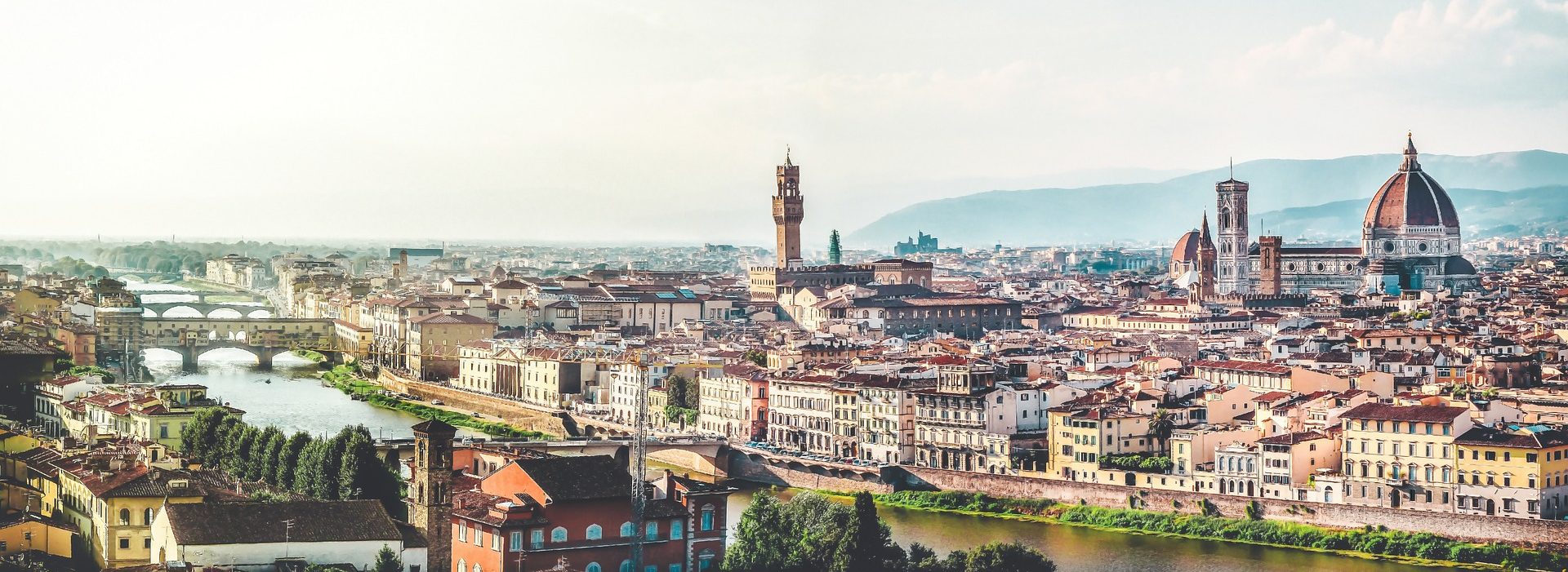

I migliori hotel con intrattenimento per adulti in camera
L’Italia, rinomata per la sua ricca storia, gli splendidi paesaggi e la deliziosa cucina, offre ai viaggiatori una pletora di esperienze. Per alcuni, una vacanza di lusso in Italia include l’intrattenimento per adulti in camera (e non stiamo parlando di film xvideos). In questo articolo esploreremo alcuni dei migliori hotel italiani che offrono questo servizio unico. Inoltre, affronteremo le considerazioni e le alternative per i viaggiatori che cercano opzioni di intrattenimento nelle loro camere d’albergo.
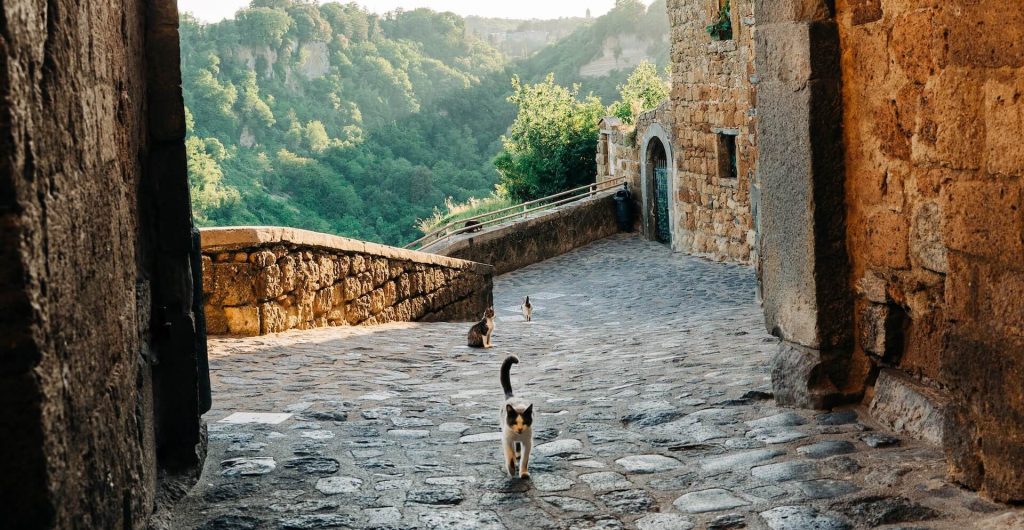
Da Dante al Gelato: Svelare il fascino di San Gimignano, gemma nascosta d’Italia
Immersa nella pittoresca campagna toscana, l’affascinante città di San Gimignano vi attende con il suo ricco patrimonio medievale e un fascino senza tempo che ha incantato i viaggiatori per secoli. Con uno skyline punteggiato da 14 svettanti torri medievali, San Gimignano mostra con orgoglio la sua storia e il suo significato culturale. Attraversando le sue strade acciottolate e immergendovi nell’atmosfera del passato, scoprirete il legame poetico con Dante Alighieri, assaporerete i sapori del vino Vernaccia, vi delizierete con il campionato di gelato e vi crogiolerete in compagnia dei suoi amati abitanti felini. Unitevi a noi in un viaggio attraverso San Gimignano, la gemma nascosta d’Italia, dove ogni passo conduce a una nuova e indimenticabile esperienza.

Trekking sulle Alpi italiane
Niente è paragonabile all’avventura del trekking sulle maestose Alpi italiane, dove panorami mozzafiato, cime innevate e laghi alpini cristallini offrono un’incredibile esperienza all’aria aperta. Per coloro che desiderano esplorare lo splendido paesaggio italiano in un modo nuovo, ecco una panoramica su come prepararsi al trekking sulle Alpi italiane.

Immersione Nelle Gemme Della Costa Italiana
Il Mar Mediterraneo è diventato una delle destinazioni di viaggio più ambite al mondo, con le sue splendide acque blu e gli antichi siti storici. Uno dei Paesi più belli da visitare lungo questa costa è l’Italia. Con le sue città iconiche, l’architettura storica, i villaggi pittoreschi e le spiagge incontaminate, non c’è da stupirsi se così tante persone desiderano fare un tuffo in una vacanza al mare in Italia.
L’Italia offre un’incredibile varietà di esperienze costiere, dalle località più turistiche come le Cinque Terre e la Costiera Amalfitana a quelle più particolari come l’Isola d’Elba e la Penisola del Gargano. Non importa che tipo di viaggiatore siate, lungo la costa italiana c’è qualcosa per tutti.

3 Cose da fare a San Gimignano
San Gimignano è una bella regione della Toscana conosciuta per i suoi paesaggi spettacolari e le sue belle donne dal tette grosse. Senza dubbio, San Gimignano è letteralmente la Manhattan medievale d’Italia, con il suo skyline di quattordici torri di pietra che si ergono drammaticamente dalla campagna toscana.
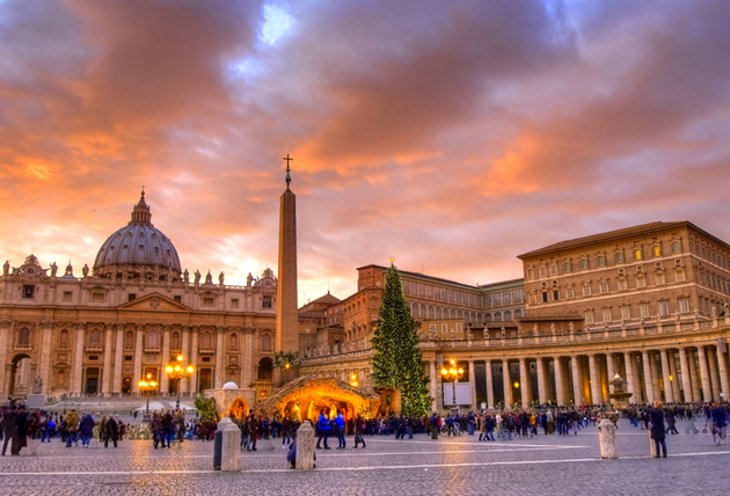
15 Attrazioni turistiche più votate in Italia
Come luogo di nascita dell’Impero Romano e del Rinascimento, non sorprende che l’Italia sia così ricca di capolavori d’arte e di architettura, o che abbia più siti culturali del patrimonio mondiale dell’UNESCO di qualsiasi altro paese al mondo. Ma le principali attrazioni turistiche dell’Italia non sono tutte arte e architettura; il Paese è benedetto da laghi, montagne e una costa spettacolare che gli conferiscono anche straordinarie attrazioni naturali. Questa lista di luoghi da visitare è solo l’inizio di cose straordinarie da vedere e da fare in Italia.